Have you ever felt that sudden wave of demotivation, seemingly out of nowhere, where you no longer feel like yourself?
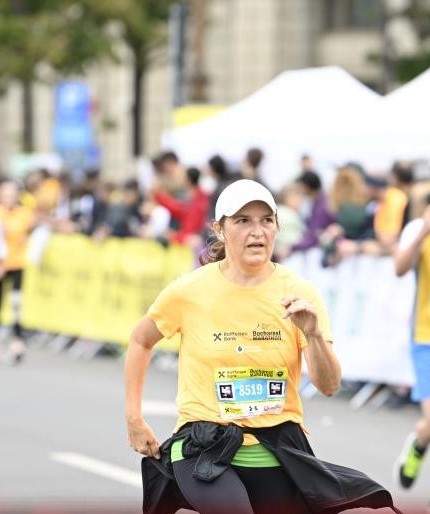
I’m no stranger to discipline. I maintain a consistent running routine and have recently competed in a few races. I know the process well.
Then, without warning, it all feels off. My stamina dips, my breathing falters, my muscles ache more than usual. Even the music that usually energizes me, or the encouraging voice of my running app coach feels ineffective.
Take last Sunday morning, for instance. It was the perfect day for running—sunny, 17°C, a refreshing break from the relentless summer heat of over 35°C. There was absolutely nothing to blame externally, yet I found myself asking: “What’s wrong?”
Is the problem external or internal? Is it my mind resisting the discipline I’ve built? Could it be lingering fatigue from earlier cardio sessions, a disrupted diet, or poor sleep? Likely, it’s a combination of all, or some these factors. But what confounds me most is how this feeling clashes with the confident, driven athlete I see myself as.
Last Sunday, I gave in. I convinced myself to skip my run and stay in. This morning, I felt that same resistance. But this time, I laced up my shoes and managed a 4k run. It wasn’t my usual distance, and it was tough, but I did it.
So, what changed between these two days?
That morning, coach Bennett, Nike Run Club running coach’s voice in my headphones, offered a vital reminder:
“To have a breakthrough, you must break barriers and chip away at them.”
Setting a goal—and working towards it—requires navigating those barriers. And behind every goal lies a purpose, a why. That purpose fuels the energy to persevere, even when the journey isn’t perfect (and it never is).
The Two Days, Compared
The first day, I chose comfort. I lingered in bed, indulged in an extended coffee ritual, and let my automatic response take over. It felt good in the moment, but later? Regret, disappointment, and frustration set in. I’d taken no steps toward my goal and felt I’d let myself down.
The second day, the same temptations loomed. But this time, I consciously reframed my approach. I reminded myself:
• “Do what you need to do, whether you feel like it or not.”
• “You have a 10k race coming up—get moving!”
• “You know you’ll feel better by the time you hit 2k.”
This time, I didn’t let my automatic response dictate my actions. I decided to act first and worry about how I felt later.
The Key Lesson: Act First, Feel Later
It’s never easy. Discipline requires pain, effort and resilience. Yet, we often expect the path to be smooth, as though motivation should come naturally. How naïve!
To overcome this, I’ve learned a critical mindset shift: “Doing comes first; feeling comes later.” (Heroic US)
By repeating this approach, it transitions from an action to a habit, then consequently into behavior and building ones’ identity.
I no longer wait to feel ready to run. Waiting could mean waiting forever. Instead, I act— I run first—and I reflect on how I feel afterwards. That post-run clarity, energy, and sense of achievement reinforce my commitment. Over time, this sequence becomes a second nature. And this is how I became a runner; in my 50’s.
Finding Purpose
Why do I run? Why did I sign up for a 10k race?
• To maintain my fitness and health, as I age.
• To push my boundaries.
• To keep promises to myself.
• To connect with a supportive community.
• To have fun!
There it is: a purpose, a goal, and the determination to see it through.
So, next time you face resistance, remember: the real breakthrough lies in breaking through that first barrier. Act first; the rewards will follow.
Have fun!
Resources
© Heroic Enterprises, Public Benefit Corporation
“Man’s Search for Meaning” by Viktor Frankl
“The 7 Habits of Highly Effective People” by Stephen R Covey
Nike Run Club App
 Dana Ghiban Coaching
Leave a comment